
Florida Gaming Law and NFTs: What Game Developers Need to Know
Updated: May 12

Florida is quietly becoming one of the most important states for game developers, NFT gaming studios, and blockchain-based entertainment companies.
With no state income tax, a growing tech corridor from Orlando to Miami, and a Legislature that has actively engaged with digital asset regulation, Florida presents enormous opportunity, but also significant legal exposure.
For game studios based in Central Florida, working with an Orlando crypto attorney who understands both blockchain technology and Florida law is essential.
If you are building a game that incorporates NFTs, in-game currency, loot boxes, play-to-earn mechanics, or any form of digital asset economy, you need a Florida gaming law attorney before you launch, not after.
Is Your Game a Gambling Platform Under Florida Law?
This is the threshold question every Florida game developer must answer. Under Florida Statutes § 849.08, illegal gambling includes any game of chance played for money or something of value. The critical legal test is whether your game involves: (1) consideration, (2) chance, and (3) a prize.

Loot boxes present a particularly dangerous legal grey area. When players pay real money for randomized in-game items, especially items with real-world resale value on secondary markets, Florida regulators and courts may classify this as gambling. Several states have already moved toward regulation, and Florida is not far behind.
NFT-based games add another layer of complexity.
When an NFT has real monetary value — tradeable on OpenSea, Blur, or Magic Eden — the prize element of the gambling test is arguably satisfied. If your game mechanics involve any randomized distribution of NFTs, you may be operating an unlicensed gambling platform under Florida law. An Orlando blockchain attorney can analyze your specific mechanics before regulators do.
NFTs in Games: Intellectual Property, Ownership, and Licensing
One of the most misunderstood legal issues in NFT gaming is the difference between owning an NFT and owning the intellectual property rights to the underlying asset. When a player purchases an NFT character, weapon, or land parcel in your game, what exactly are they buying?
Under federal copyright law and Florida common law, purchasing an NFT does not automatically transfer copyright ownership of the underlying artwork or asset. Your Terms of
Service and NFT License Agreement must explicitly define: what rights the buyer receives, whether commercial use is permitted, what happens to the NFT if your game shuts down, and whether the IP reverts to you as the developer.
Without a properly drafted NFT License Agreement, you expose your studio to copyright infringement claims, player disputes, and potential class action liability, especially if your NFTs are marketed as investments.
Are Your In-Game Tokens Securities Under Federal Law?
This is where many game developers unknowingly cross into federal securities law territory. The SEC applies the Howey Test to determine whether a digital asset is a security: (1) an investment of money, (2) in a common enterprise, (3) with an expectation of profits, (4) derived from the efforts of others.
Play-to-earn tokens that players can sell on crypto exchanges are particularly vulnerable to SEC scrutiny. If your whitepaper, marketing materials, or Discord announcements promote your token as an investment opportunity or suggest that token value will increase as your game grows, the SEC may classify your token as an unregistered security — triggering enforcement action, disgorgement of profits, and civil penalties.
The safest approach is to consult a cryptocurrency lawyer in Orlando before your token launch. An experienced Orlando crypto lawyer can conduct a Howey analysis, structure your token economy for compliance, and determine whether a Reg D exemption or utility token structure provides adequate protection under current SEC guidance.
Business Structure for Florida Game Development Studios
How you structure your game development studio matters enormously from both a liability and tax perspective. Florida offers several strong options:
Florida LLC (Chapter 605) provides personal liability protection, pass-through taxation, and flexible management structures. For solo developers or small teams, a single-member or multi-member LLC is typically the right starting point. For studios launching tokens or NFT collections, a separate LLC to hold IP assets provides an additional layer of protection.
For studios seeking venture capital or planning a token launch, a Delaware C-Corp remains the investor-preferred structure. Florida does not impose a franchise tax on LLCs, which makes it more cost-effective than Delaware for studios not yet seeking institutional investment.
Essential Legal Documents for Every Florida Game Developer

Every game studio — from solo indie developers to funded blockchain gaming companies — needs the following legal foundation before launching:
Terms of Service and End User License Agreement (EULA): Governs the player relationship, defines IP ownership, limits liability, and establishes dispute resolution procedures. Must include specific NFT provisions if applicable.
Privacy Policy: Required under Florida law and federal law (COPPA if your game is accessible to minors under 13). Must disclose data collection, use, and sharing practices. App store approval depends on a compliant privacy policy.
IP Assignment Agreements: Every contractor, artist, developer, and writer who contributes to your game must sign a work-for-hire or IP assignment agreement. Without it, contributors may retain copyright ownership of their work — including art, music, and code.
NFT License Agreement: Defines exactly what rights NFT purchasers receive and do not receive. Without this document, you have no legal basis to limit how buyers use your art.
Co-Founder Agreement: If you have a development partner, a co-founder agreement defines equity splits, vesting schedules, IP ownership, and what happens if a founder leaves. Skipping this document is the number one reason game studios collapse.
Frequently Asked Questions: Florida Gaming Law and NFTs
Are loot boxes legal in Florida?
Currently, there is no Florida statute that specifically bans loot boxes. However, if loot boxes involve real money, randomized outcomes, and items with real-world monetary value, they may meet Florida’s definition of illegal gambling under § 849.08. Florida has not yet enacted loot box-specific legislation, but developers should structure mechanics carefully with legal guidance.
Do I need a gambling license to operate a play-to-earn game in Florida?
It depends on your game’s mechanics. Florida’s gambling statutes (Chapter 849) and the Florida Gaming Control Act govern gambling activities. Play-to-earn games that require skill rather than chance — and where earnings are proportional to skill and effort — are less likely to be classified as gambling. A legal analysis of your specific game mechanics is essential before launch.
Can I trademark my game’s name and NFT collection in Florida?
Yes. Federal trademark registration through the USPTO protects your game name, logo, and NFT collection name nationwide. Florida also offers state trademark registration. For NFT collections, the USPTO now accepts trademark applications in International Class 9 (downloadable digital files) and Class 41 (entertainment services). Early registration is critical — the gaming and NFT space moves fast, and squatters actively target successful game brands.
What happens legally if my NFT game shuts down?
This is one of the most legally underexplored issues in NFT gaming. If your game shuts down and NFT holders lose access to in-game utility, they may pursue claims for breach of contract, fraudulent misrepresentation, or violations of Florida’s Deceptive and Unfair Trade Practices Act (FDUTPA) § 501.204. Your Terms of Service must address game discontinuation, NFT utility post-shutdown, and refund policies. Proper drafting dramatically reduces this liability.
Work With an Orlando Crypto Lawyer and Gaming Law Attorney
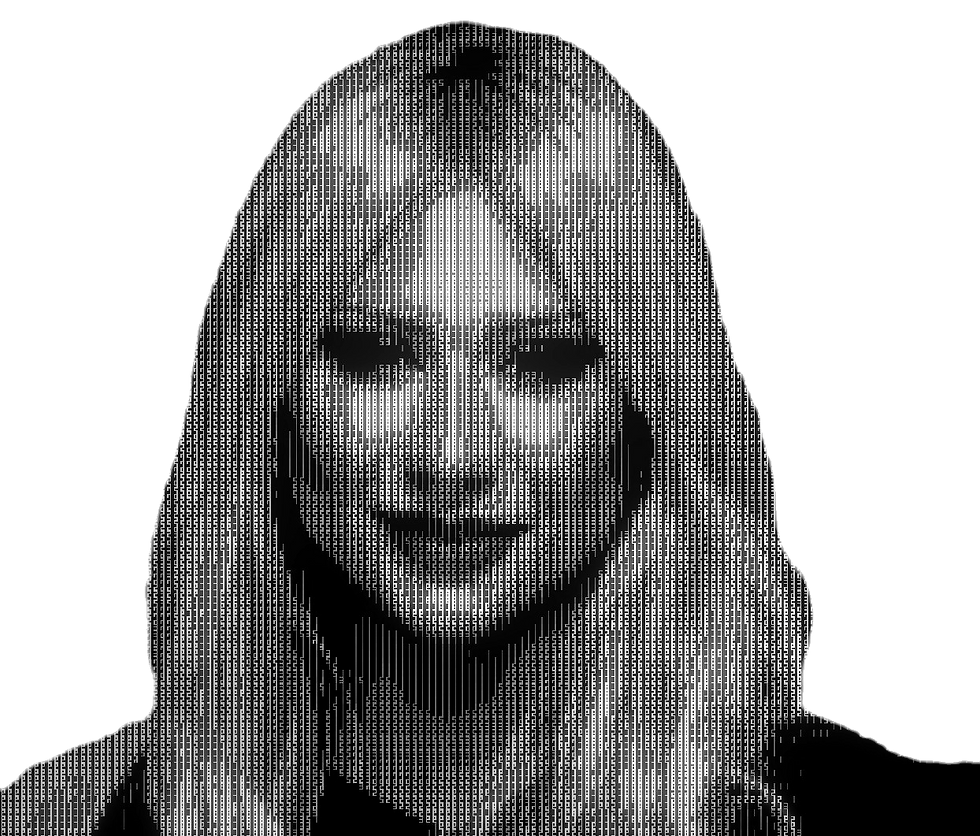
Game developers across Orlando, Winter Park, Kissimmee, and Central Florida trust Attorney Carolina Nunez as their Orlando crypto lawyer for NFT structuring, token compliance, and gaming law matters.
Whether you need a cryptocurrency lawyer in Orlando to review your token whitepaper, a blockchain attorney to draft your NFT license agreements, or a Florida gaming law attorney to audit your loot box mechanics, The Law Offices of Carolina Nunez, P.A. provides the legal foundation your studio needs.
The Law Offices of Carolina Nunez, P.A. represents game developers, NFT studios, and blockchain entrepreneurs across Florida. Attorney Carolina Nunez combines deep crypto law experience, and Florida business law expertise to provide game studios with comprehensive legal protection.
Offices in Winter Park and Daytona Beach. Virtual consultations available statewide. Hablamos Español.
Call (407) 900-FIRM today.


