
DOJ Seizes $15 Billion in Bitcoin: What the Prince Group Pig Butchering Forfeiture Means for Florida Crypto Investors

At The Law Offices of Carolina Nunez, P.A., Attorney Carolina Nunez advises Florida clients on cryptocurrency fraud recovery, digital asset estate planning, and pig butchering scam matters across Winter Park, Daytona Beach, Orlando, and Central Florida. As a Florida blockchain lawyer, she helps clients protect digital assets before they are ever frozen or seized. Call (407) 900-FIRM;

On October 14, 2025, federal prosecutors in the U.S. District Court for the Eastern District of New York unsealed an indictment charging Chen Zhi, the 38-year-old founder and chairman of the Cambodia-based Prince Holding Group, with wire fraud conspiracy and money laundering conspiracy.
Alongside the indictment, the government filed a civil forfeiture complaint seeking approximately 127,271 Bitcoin held in wallets prosecutors say Chen Zhi personally controlled.
At current valuations, those coins are worth roughly $15 billion. It is the largest forfeiture action in the history of the U.S. Department of Justice.
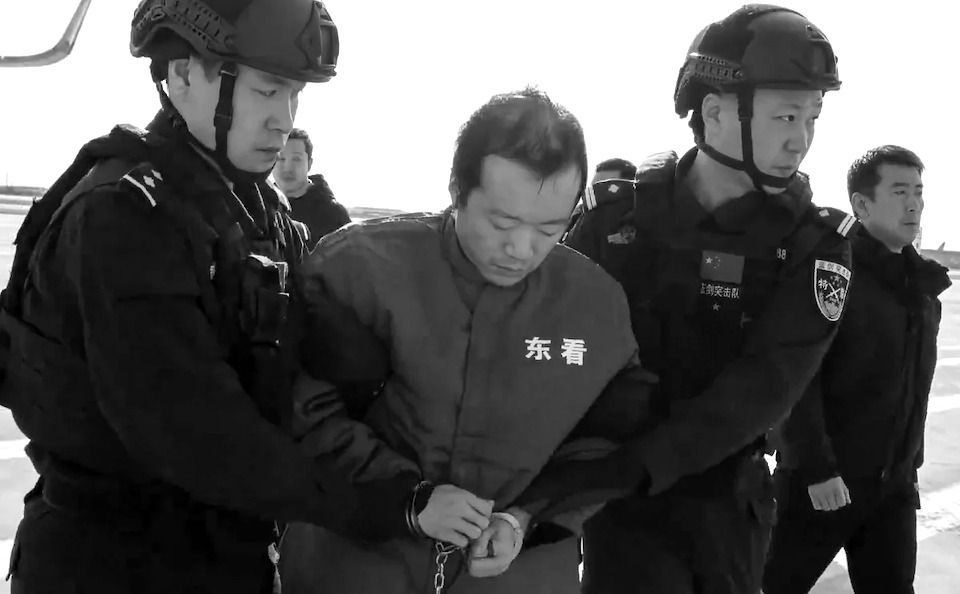
The complaint describes a near-decade-long operation. Prince Group is alleged to have run at least ten forced-labor compounds across Cambodia where trafficked workers were compelled, under threat of violence, to execute cryptocurrency investment fraud schemes targeting victims in the United States and around the world.
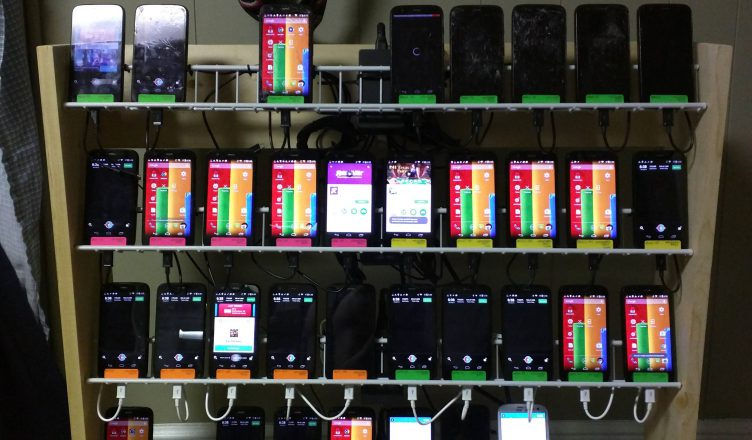
Prosecutors describe ledgers tracking which rooms ran which scams, photographs of beatings, and phone farms of 1,250 mobile devices controlling 76,000 social media accounts at a single facility.
The Treasury Department's Office of Foreign Assets Control simultaneously sanctioned Chen Zhi, the Prince Group Transnational Criminal Organization, and 146 associated targets.
LEGAL DISCLAIMER: An indictment contains allegations only. Chen Zhi is presumed innocent unless and until proven guilty. This article provides general informational content regarding federal civil forfeiture, cryptocurrency fraud, and Florida digital asset estate planning. It does not constitute legal advice or create an attorney-client relationship. Past results do not guarantee similar outcomes.
What Pig Butchering Actually Means and How the Scam Works

The phrase pig butchering, translated from the Mandarin Sha Zhu Pan, describes a methodology. The scammer fattens the victim with weeks or months of emotional or romantic rapport, then slaughters by draining every account the victim can be talked into funding.
According to the Federal Bureau of Investigation, Americans lost more than sixteen billion dollars to investment scams in 2024, and pig butchering accounts for a growing share. Florida, with its retirement-heavy population and concentration of newer cryptocurrency holders, is among the most heavily targeted states in the nation.
The Anatomy of the Scheme
First contact is almost always a wrong-number text message, a dating app match, or a polite professional inquiry on a messaging application.
The persona is attractive, financially successful, and asks far more questions than the persona answers. Cryptocurrency comes up only after rapport is established, framed as a private opportunity the scammer's mentor or uncle is willing to share.
The target is steered to a polished-looking trading platform — a domain that mimics a real exchange, complete with fake dashboards showing growing returns.
Small initial deposits perform spectacularly. Modest test withdrawals are sometimes honored to build trust.
Then the target is encouraged to scale up, often by liquidating retirement accounts, taking out home equity lines of credit, or borrowing from family.

When the Withdrawal Fails
When the victim finally tries to withdraw a meaningful balance, the platform invents a tax, a
regulatory hold, or a deposit verification fee that requires more money to release the existing balance.
By the time the victim recognizes the fraud, the funds have already moved through unhosted wallets, mixers, cross-chain bridges, and stablecoin off-ramps in jurisdictions with no extradition treaty with the United States.
The Prince Group indictment describes precisely this infrastructure, scaled to industrial volume.
Florida Victims and Civil Forfeiture Remission Claims
Federal civil forfeiture, governed in part by 18 U.S.C. § 981 and 28 C.F.R. Part 9, gives identifiable victims of the underlying offense a path to recover a portion of forfeited assets through a remission or restoration petition.
The Department of Justice's Money Laundering and Asset Recovery Section, working with the United States Attorney's Office for the Eastern District of New York, will publish notice procedures and a claims window once the court enters preliminary orders of forfeiture under 18 U.S.C. § 983.
For Florida pig butchering victims, the practical questions are concrete: did the transferred crypto move to wallets that blockchain tracing later connects to Prince Group infrastructure, are the on-chain transaction records still in your possession, and can the loss be documented in a form the government will accept.
Preserve Evidence Before You Report
In our experience advising Central Florida clients, victims often discard the very evidence they later need. Exchange withdrawal confirmations, every wallet address used, message logs with the scammer, screenshots of the fake trading dashboard, and the bank wires used to purchase the crypto are all foundational.
Preserve everything before reporting. The FBI Internet Crime Complaint Center at ic3.gov is the primary federal intake channel.
A parallel state report through the Florida Office of Financial Regulation, authorized under Chapter 560 of the Florida Statutes, can support the record.
Why Self-Custody and Digital Asset Estate Planning Matter Now

The Prince Group case underscores a defensive truth that bears repeating. Cryptocurrency is bearer property at the protocol level. Whoever holds the private keys controls the asset.
In the absence of a clear evidentiary trail and a U.S. nexus, recovery after a loss is exceptionally difficult. Real protection happens before the loss, not after.
Long-term holdings should sit in a hardware wallet — Ledger, Trezor, or comparable cold-storage devices — with seed phrases stored offline in physically secure, geographically separated locations. Never share seed phrases. Never approve a transaction prompted by an inbound message. Never connect a hardware wallet to a website that arrived via a link in a text or direct message.
A surprising share of the recovery work that crosses our desk is not adversarial at all. It involves Florida families trying to access cryptocurrency belonging to a deceased loved one who never told anyone the wallet existed.
The Florida Fiduciary Access to Digital Assets Act, Chapter 740, gives personal representatives, trustees, and agents under a power of attorney statutory authority to access certain digital assets, but only when the estate planning documents are drafted to grant that authority. A standard pre-2016 will is rarely sufficient.
A crypto-aware Florida will should expressly reference digital assets, name a digital fiduciary, incorporate an external memorandum identifying wallet locations and access procedures (never the seed phrase itself in the will), and address the tax basis treatment that follows from stepped-up basis at death under 26 U.S.C. § 1014.
What Florida Crypto Victims Should Do
Report immediately to ic3.gov and preserve every transaction record. Under the Crime Victims' Rights Act, 18 U.S.C. § 3771, you have the right to notification, participation in sentencing, and restitution where the perpetrator is brought within U.S. jurisdiction.
Move remaining crypto holdings to cold storage. Audit token approvals quarterly using on-chain tools. If a Florida loved one passed away holding cryptocurrency, do not wait. Chapter 740 access procedures move faster when the documentation is preserved early.
If a U.S.-based facilitator, money mule, or domestic financial institution touched the funds, a parallel civil action in Florida state or federal court may proceed independently of the federal forfeiture track.
Protect Your Crypto.
Whether you have been targeted by a pig butchering scam, need to protect digital assets in your estate plan, or have questions about federal civil forfeiture and victim remission, Attorney Carolina Nunez can help.
As a Florida blockchain lawyer, she advises clients on real-world asset tokenization, digital asset protection, and legal structuring for crypto and tech startups. A
Admitted to the U.S. Middle District of Florida Bankruptcy Court, the firm serves clients in Winter Park, Daytona Beach, Orlando, Kissimmee, Sanford, Lake Mary, DeLand, Casselberry, Altamonte Springs, and all of Central Florida, in English and en español.


